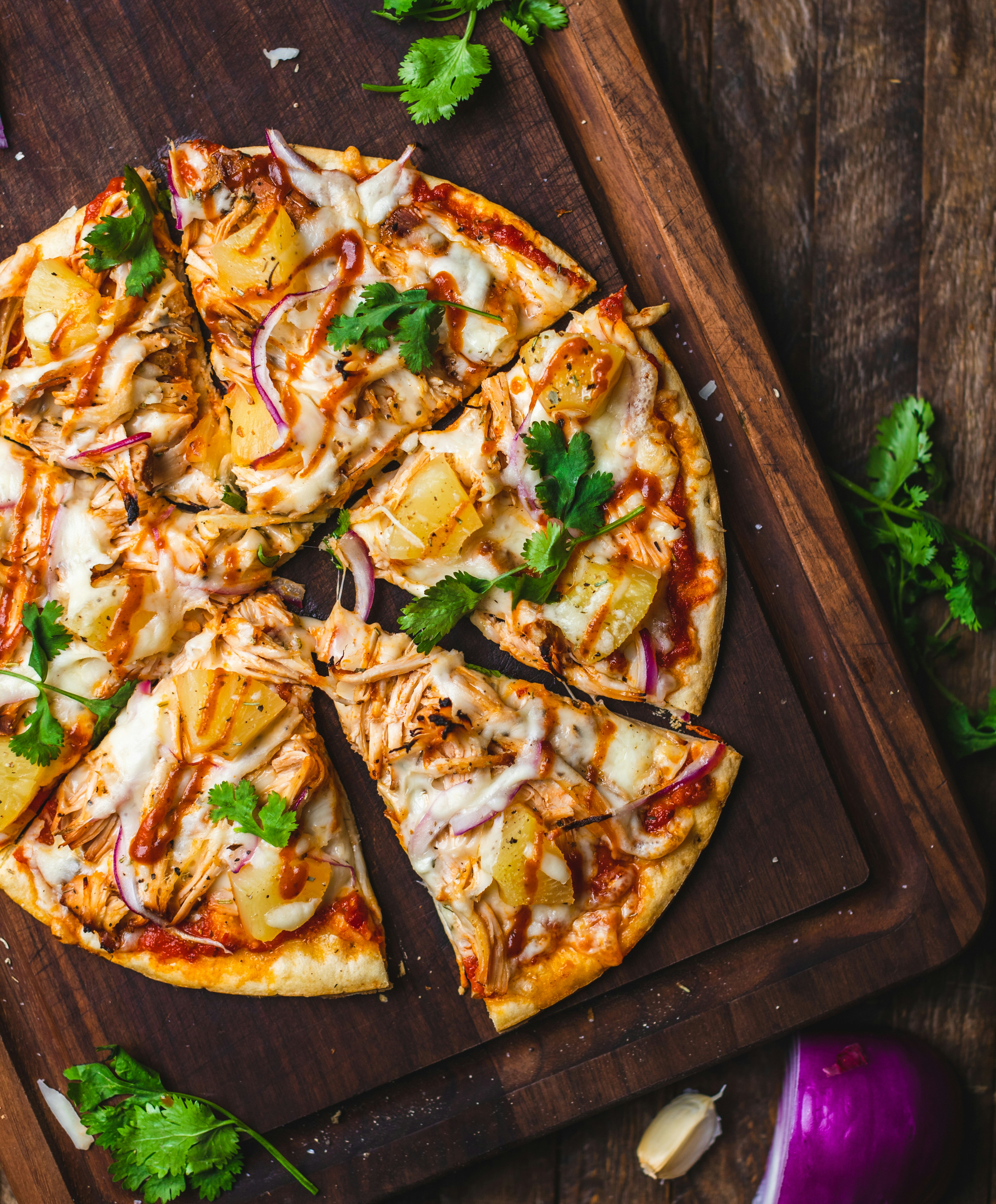
How Recipe-Level Inventory Tracking Saves Restaurants $800/Month
Stop guessing food costs. Learn how tracking every ingredient reveals hidden waste and boosts profit margins by 8-15%.

The $800/Month Problem Most Restaurants Ignore
If you're running a restaurant without recipe-level inventory tracking, you're likely losing $800-$1,200 per month without even knowing it. How? Through ingredient waste, incorrect portioning, recipe drift, and theft that never shows up on your monthly reports.
Traditional inventory systems track whole items—"10 bags of flour" or "5 cases of tomatoes." But recipes don't use whole bags. They use 250 grams here, 3 cups there. Without tracking at the ingredient level, you can't know your true food cost percentage.
💡 Real Example: A Lebanese restaurant discovered their "bestselling" shawarma plate actually lost money because portion sizes drifted 30% larger than the recipe. They were giving away $450/month in free meat.
What Is Recipe-Level Inventory Tracking?
Recipe-level inventory (also called ingredient-level costing) means tracking every single ingredient in every dish down to the exact amount used. Instead of just knowing you bought 20kg of chicken, you know:
- ✓ How much chicken goes into each dish (200g per serving)
- ✓ The exact cost of that 200g ($1.80)
- ✓ How many servings you can make from 20kg (100 servings)
- ✓ When you'll run out based on sales velocity
- ✓ Where waste is happening (prep, cooking, portioning)
The 5 Hidden Profit Leaks Recipe Tracking Reveals
1. Portion Drift (Average Loss: $350/month)
The Problem: Your recipe says 150g of rice, but your chef eyeballs it and serves 180g. That's 20% extra cost per plate. Multiply by 500 plates per month = $350 vanished.
The Solution: Dalverle's system alerts you when actual ingredient usage doesn't match recipe specs. One Nigerian restaurant discovered their jollof rice portions were 35% oversized—costing them $420/month in "free" food.
2. Recipe Drift (Average Loss: $280/month)
Recipes change slowly over time. A pinch of saffron becomes a teaspoon. A drizzle of olive oil becomes a pour. These tiny changes compound into massive costs.
📊 Case Study: A Beirut pizzeria found their margherita pizza cheese cost increased from $1.20 to $1.85 over 6 months—not from price increases, but from 50% more cheese per pizza.
3. Prep Waste (Average Loss: $180/month)
How much tomato gets thrown away when your prep cook dices? How many chicken wings are too small to serve? Without tracking from delivery to plate, you don't know.
4. Theft & Spillage (Average Loss: $220/month)
When inventory tracking is loose, small amounts disappear. Staff meals, spilled drinks, "samples" for friends. Recipe-level tracking makes these losses visible.
5. Pricing Errors (Average Loss: $270/month)
You priced your burger at $8 when ingredients cost $2.10 (26% food cost—great!). But ingredient prices rose 15%, and now your actual cost is $2.42 (30% food cost). Your margin just evaporated, but your POS doesn't tell you.
How to Implement Recipe-Level Tracking
Step 1: Document Every Recipe
Break down each menu item into individual ingredients with exact quantities:
| Ingredient | Quantity | Unit Cost | Item Cost |
|---|---|---|---|
| Chicken Breast | 200g | $9/kg | $1.80 |
| Basmati Rice | 150g | $3/kg | $0.45 |
| Garlic Sauce | 30ml | $8/liter | $0.24 |
| Total Recipe Cost | $2.49 | ||
Step 2: Set Up Automated Deduction
Every time a dish is sold, the system automatically deducts the exact ingredients from inventory. Sell a chicken plate? The system removes 200g chicken, 150g rice, 30ml sauce from your stock levels.
Step 3: Weekly Variance Reports
Compare theoretical inventory (what should be left based on sales) vs. actual inventory (what's physically there). The difference reveals waste, theft, and portioning issues.
🎯 Target Variance: Best-in-class restaurants keep variance below 3%. Above 5% means serious leaks.
Real Results from Dalverle Users
🍕 Pizza Place in Lagos
Discovered cheese portions 40% oversized. Fixed portioning = $680/month saved. ROI in 11 days.
🍔 Burger Joint in Beirut
Found 8% of beef was prep waste (fat trimming). Changed supplier to pre-trimmed beef. $420/month saved.
🍛 Cloud Kitchen in Port Harcourt
Identified unprofitable menu items with 38% food costs. Repriced them. Profit margins increased 12%.
The Bottom Line: Your Action Plan
- 1. Week 1: Document your top 10 bestselling recipes with exact ingredient quantities
- 2. Week 2: Implement recipe-level tracking in your POS/inventory system
- 3. Week 3: Run your first variance report and identify top 3 problem areas
- 4. Week 4: Fix portioning, update pricing, retrain staff
The restaurants that implement this save an average of $800-$1,200/month. That's $9,600-$14,400 per year in pure profit—from simply knowing what you're actually spending.